
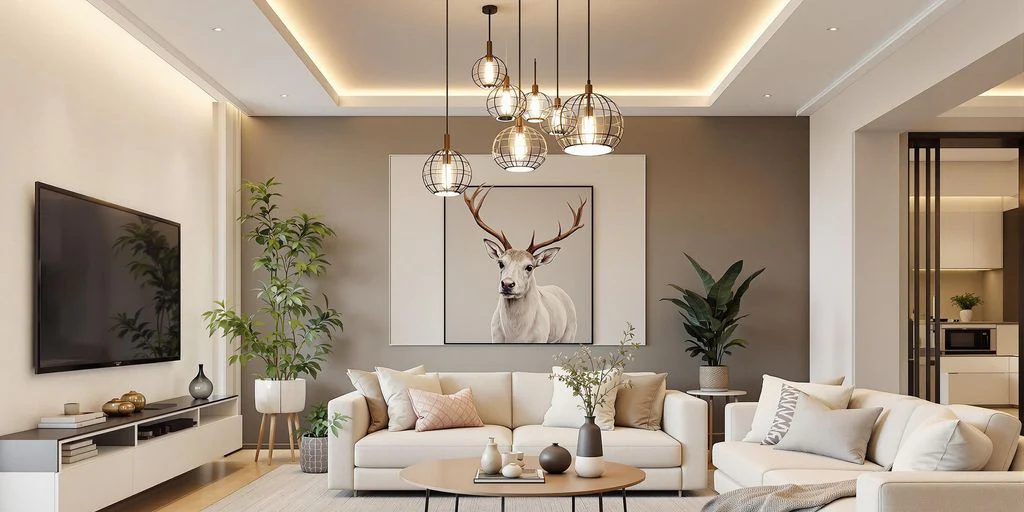
💡 The Complete Guide to Lighting: Everything You Need to Know
Lighting is not just about visibility—it’s a key design element that affects mood, productivity, and the overall look of any space. Whether it’s your home, office, or commercial project, choosing the right lighting can completely transform the environment.
🟠 Types of Lighting
1. Ambient Lighting (General Lighting)


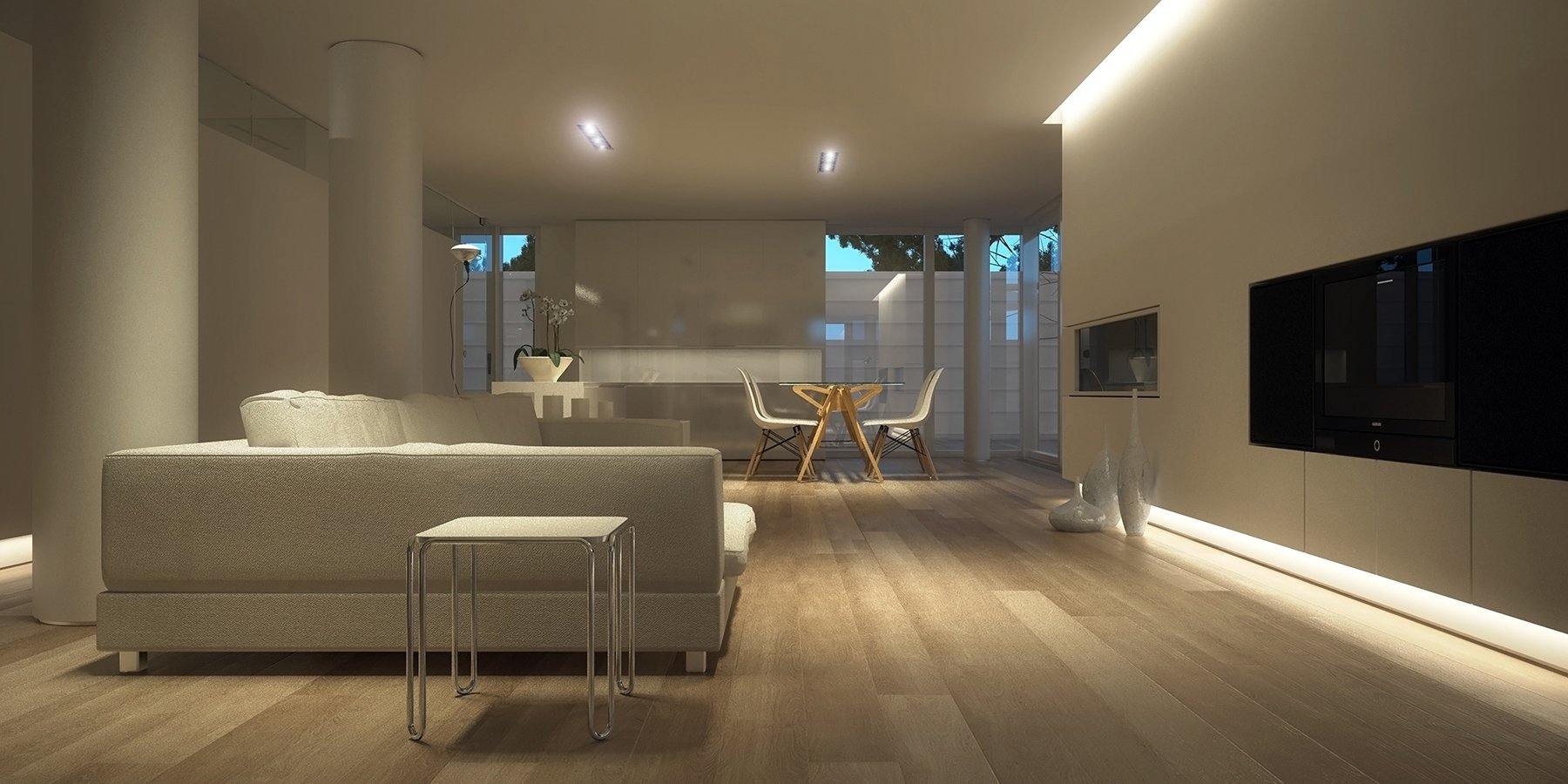
This is the main source of light in a space, providing overall illumination.
Examples:
- Chandeliers
- Ceiling lights
- Recessed lighting
✔ Purpose: Create a comfortable level of brightness for everyday use
2. Task Lighting
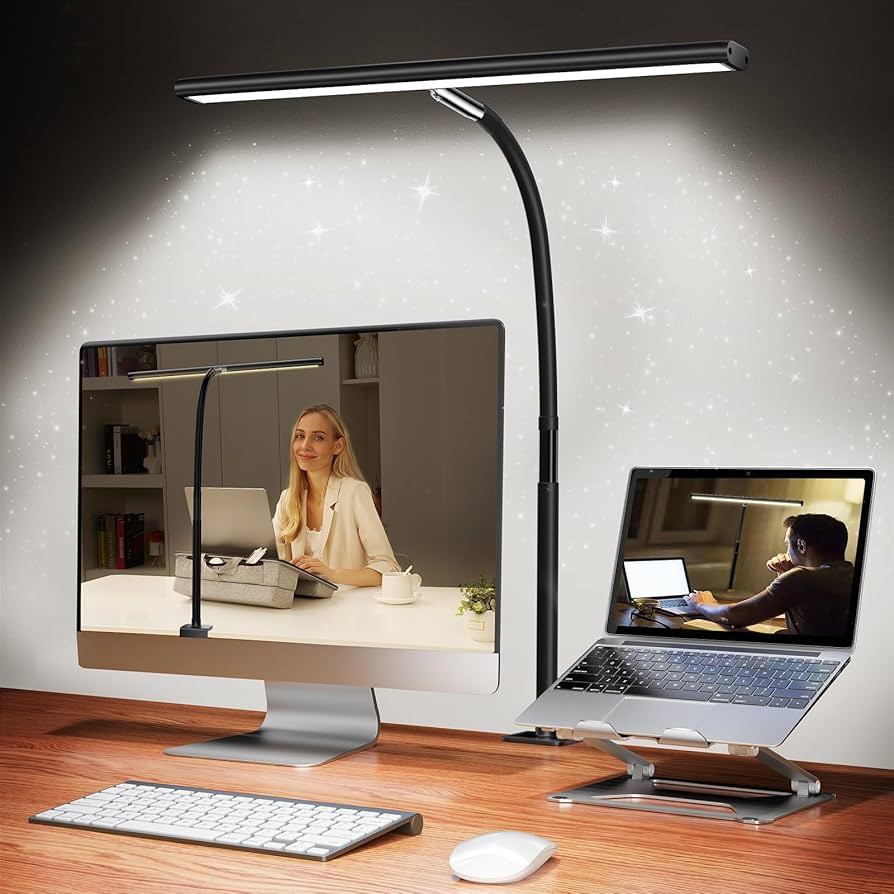

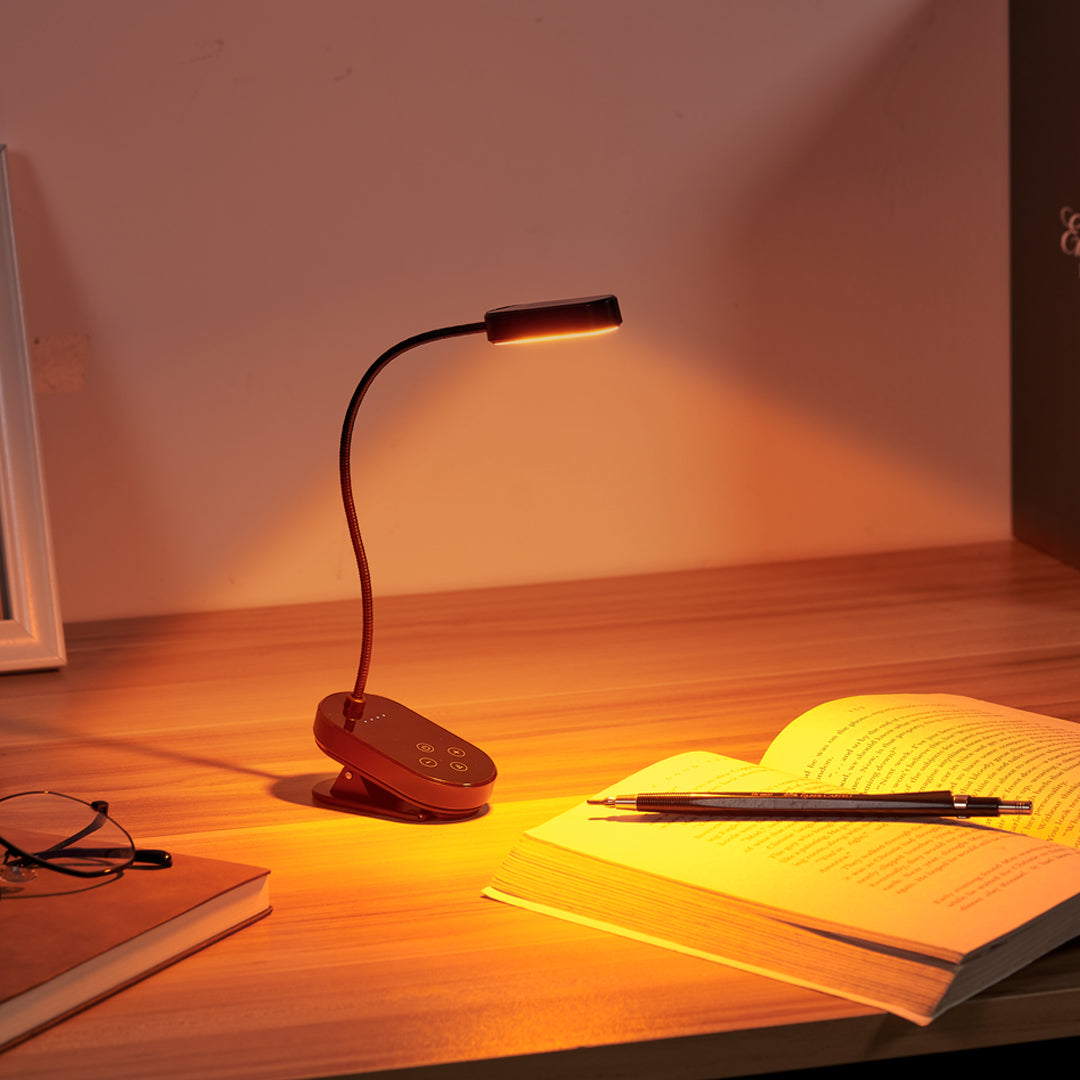
Designed for specific activities such as:
- Reading
- Cooking
- Working
✔ Purpose: Provide focused and brighter light for better performance
3. Accent Lighting

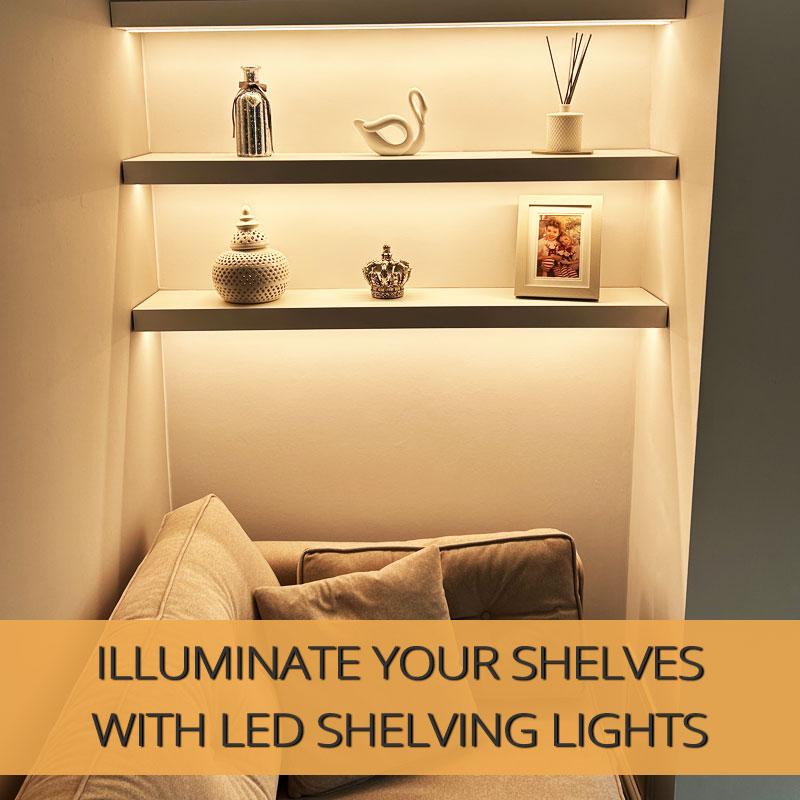

Used to highlight specific features like:
- Artwork
- Decorative walls
- Shelves
✔ Purpose: Add depth, style, and visual interest
🔵 Types of Light Bulbs
LED (Best Option Today)

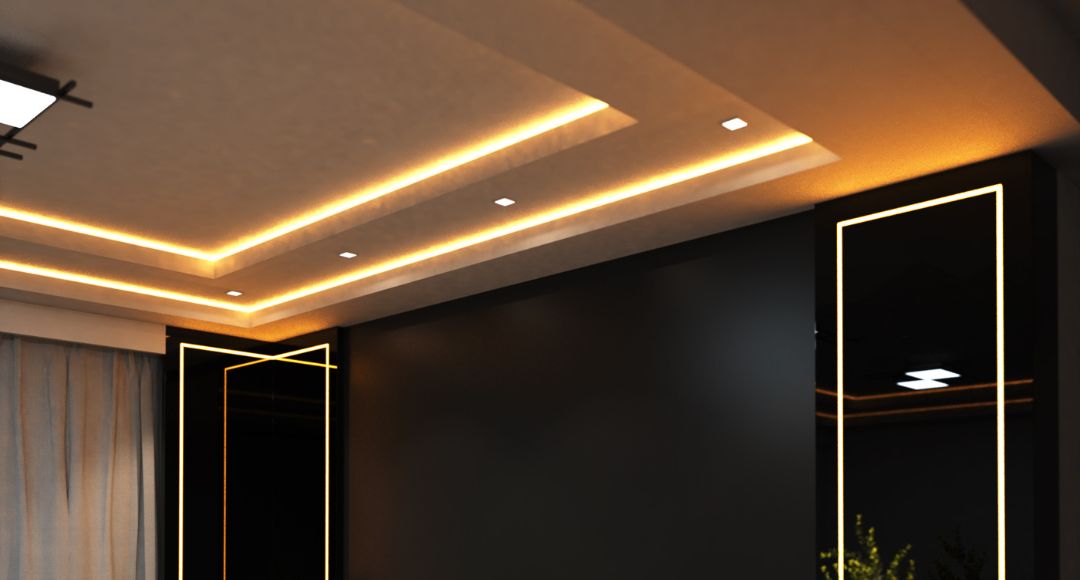

✔ Advantages:
- Energy-efficient
- Long lifespan
- Low heat emission
- Available in multiple colors
Halogen
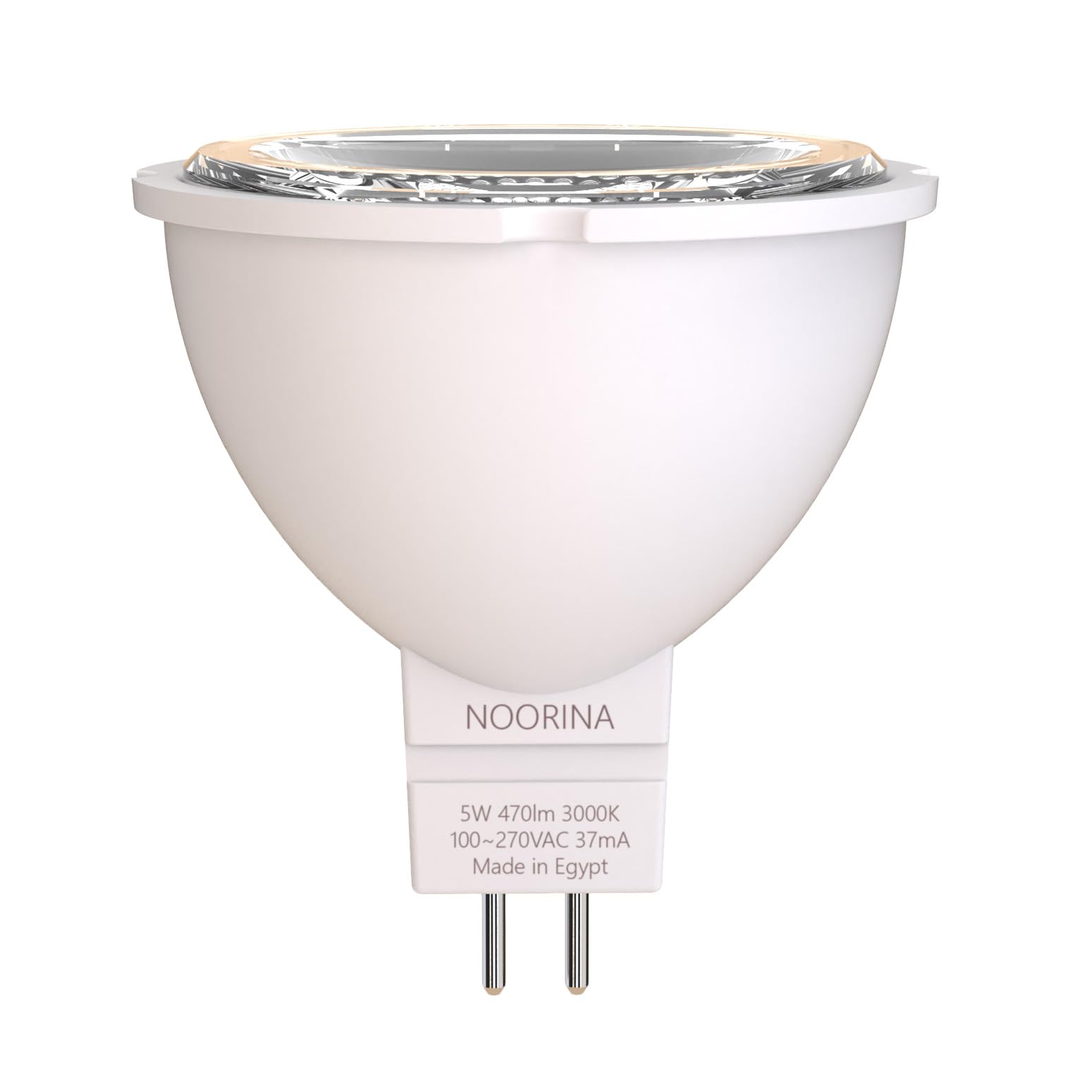


✔ Strong and bright light
❌ Higher energy consumption and heat
Fluorescent


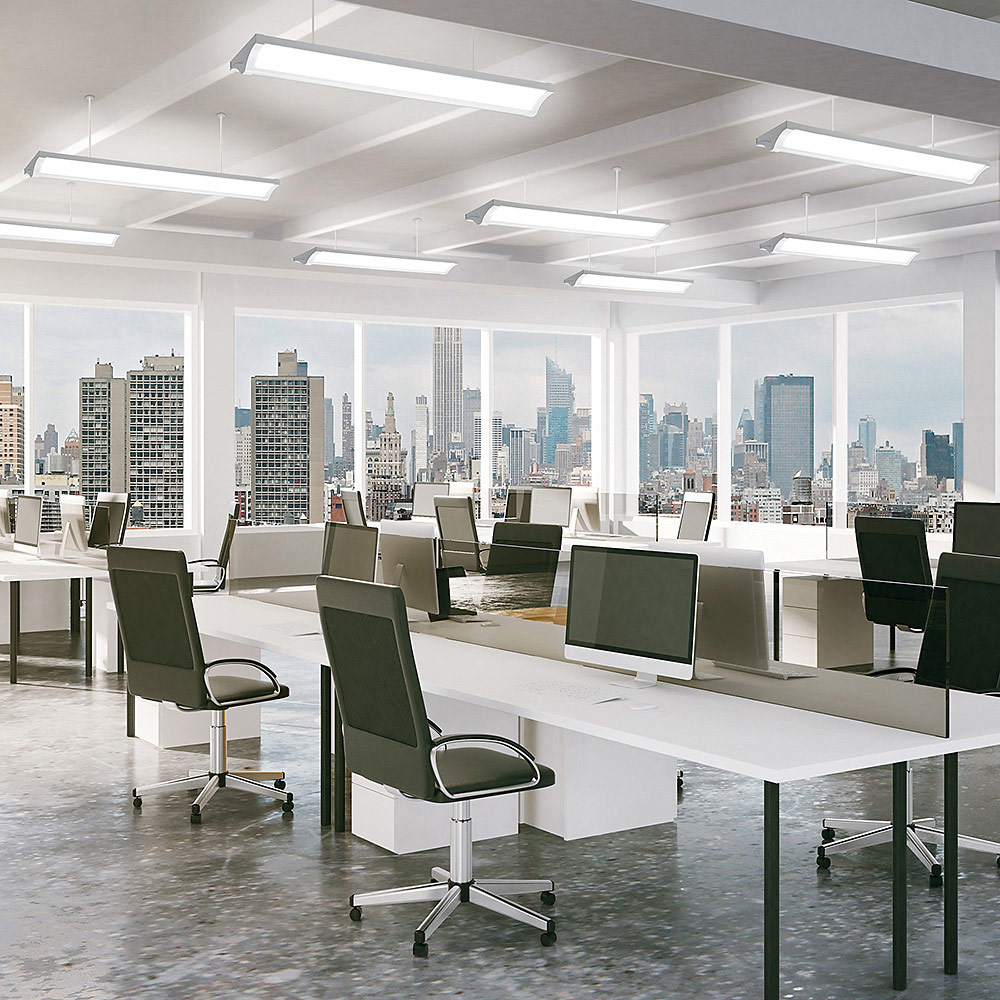
✔ Common in offices
❌ Less efficient compared to LED
🟣 Light Color Temperature
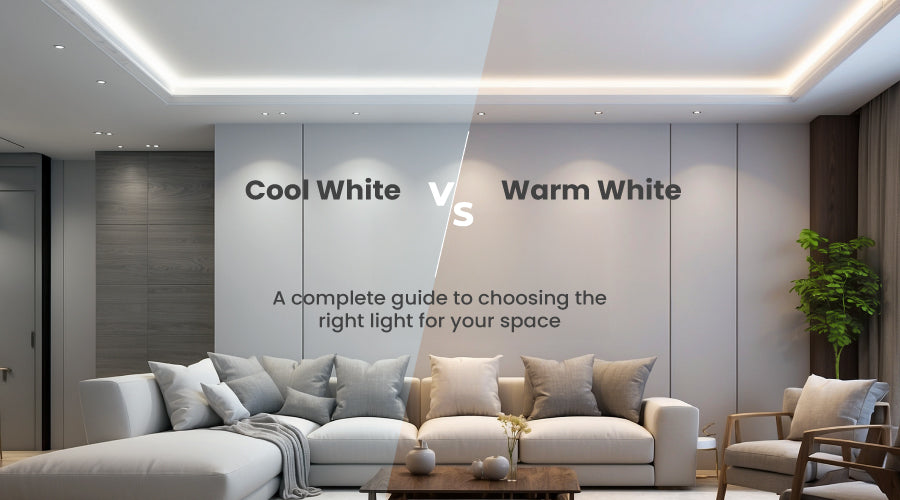
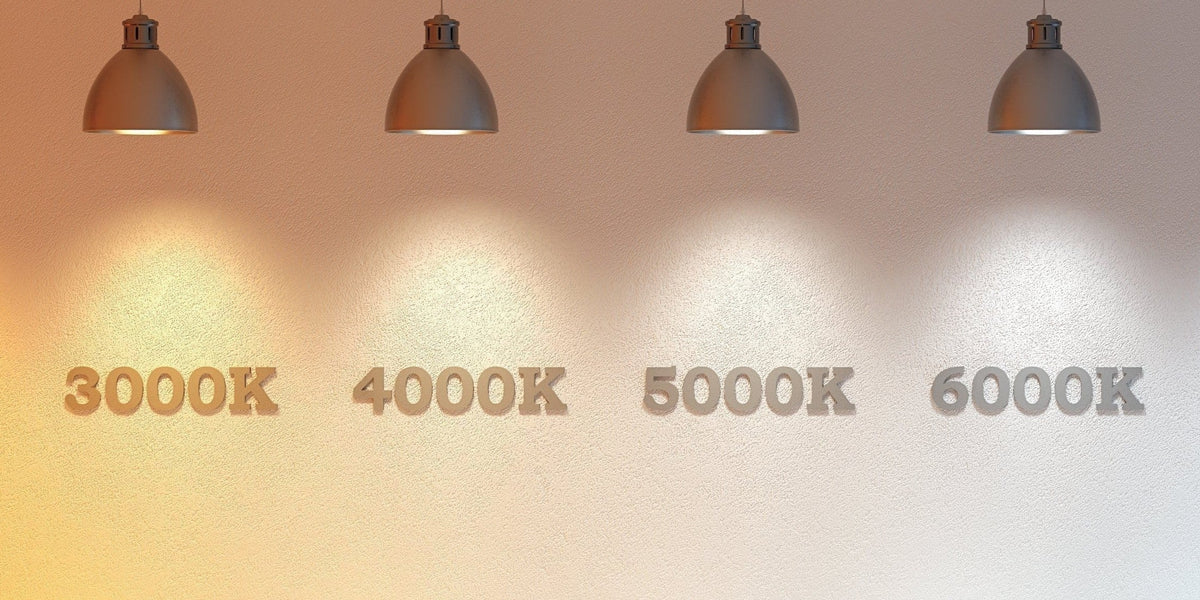

- 🔥 Warm Light (2700K–3000K)
→ Cozy and relaxing (best for homes & bedrooms) - ⚪ Neutral Light (4000K)
→ Balanced and natural (ideal for offices) - ❄️ Cool White (5000K+)
→ Bright and sharp (best for commercial spaces)
🟢 How to Choose the Right Lighting
✔ Based on space:
- Bedroom → Warm lighting
- Kitchen → Bright, clear lighting
- Office → Neutral lighting
✔ Based on purpose:
- Work → Focused lighting
- Decoration → Soft accent lighting
✔ Based on design style:
- Modern → LED + hidden lighting
- Classic → Chandeliers + warm tones
🔴 Common Lighting Mistakes to Avoid
❌ Using only one type of lighting
❌ Overly bright or harsh lighting
❌ Ignoring layered lighting
❌ Poor light distribution
🟤 Modern Lighting Trends
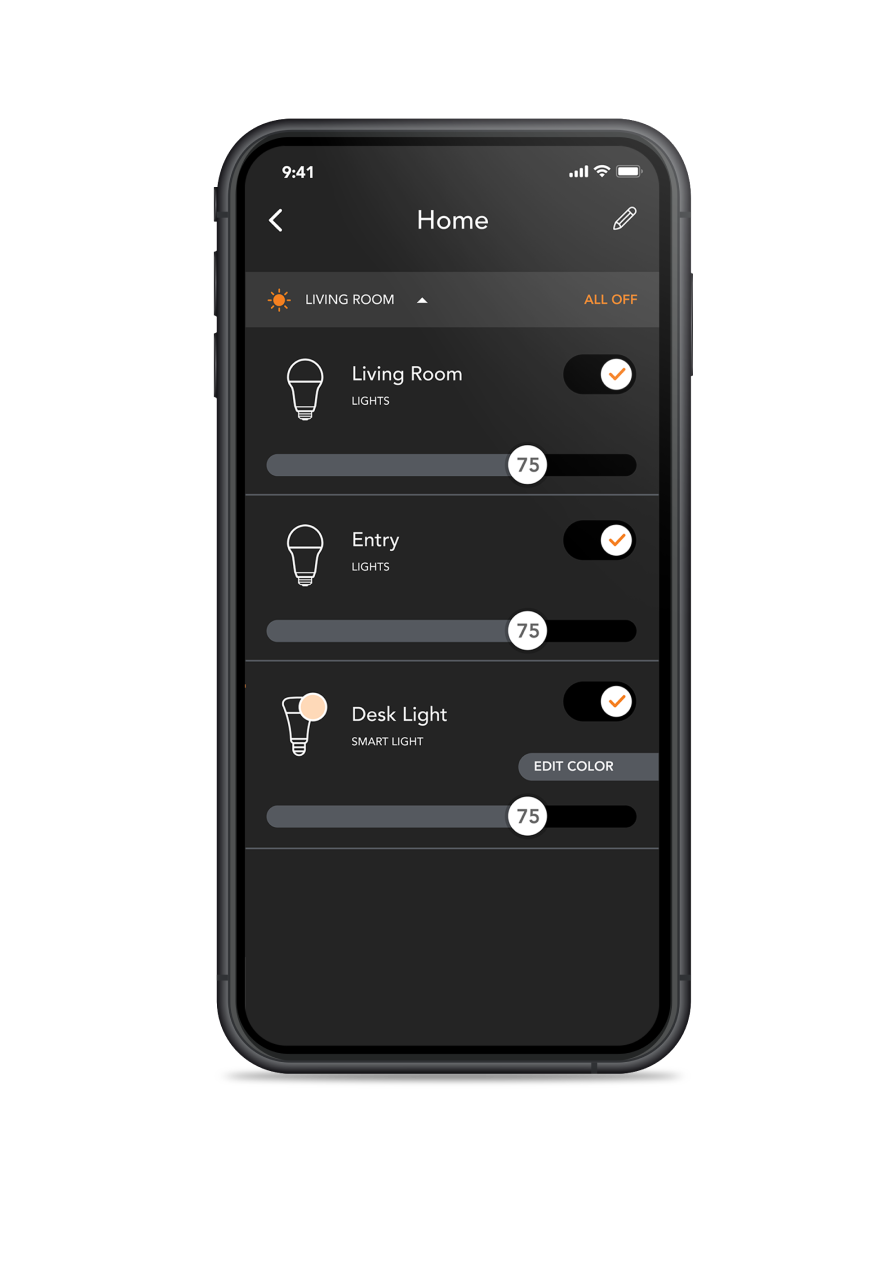

- 💡 Smart Lighting Systems
- 💡 Hidden LED strips
- 💡 Minimalist lighting designs
- 💡 RGB ambient lighting
🔵 Conclusion
Lighting plays a crucial role in shaping how a space looks and feels. By choosing the right type, color, and placement, you can transform any ordinary space into a professional and visually appealing environment.